The Casserole Interrogation: How Neighborhood Welcome Committees Became America's Oldest Surveillance Network

The Algorithm Behind the Apple Pie
Mrs. Henderson shows up at your door three days after the moving truck leaves, carrying a still-warm casserole and wearing the kind of smile that suggests she's been watching your windows for signs of life. She asks about your family, your job, where you moved from, whether you have children, what church you might attend. She offers recommendations for doctors, dentists, and the good grocery store. She mentions the neighborhood watch program and hands you a flyer about the homeowners association.
You think you're experiencing American hospitality. You're actually being processed through a data collection system that predates the internet by several millennia.
The Athenian Immigration Interview
In ancient Athens, foreigners who wanted to live and work in the city were registered as "metics"—resident aliens with limited rights and unlimited obligations. The registration process wasn't handled by bureaucrats in marble offices. It was delegated to citizen sponsors who vouched for the newcomers' character, monitored their activities, and reported anything suspicious to the authorities.
These sponsors weren't volunteers driven by civic duty or xenophobic paranoia. They were participants in a carefully designed system that distributed surveillance responsibilities across the citizen population, making monitoring feel like mentorship and intelligence gathering look like integration.
The metic system worked because it combined genuine assistance with systematic observation. Sponsors helped their charges navigate Athenian law, find housing, locate work, and understand local customs. In exchange, they gained detailed knowledge of foreign residents' backgrounds, associations, financial resources, and political sympathies—information that could be valuable to both private networks and public officials.
Every thriving democracy faces the same challenge: how do you welcome newcomers without compromising security? Athens solved this by making welcome itself a form of security.
The Medieval Guild Inspection
Medieval European guilds refined the Athenian model into something approaching modern human resources. Craftsmen who wanted to practice their trades in a new city had to present themselves to the local guild, demonstrate their skills, provide references from their previous locations, and submit to questioning about their techniques, their customers, and their personal habits.
The guild interview wasn't just professional credentialing—it was community vetting. Masters wanted to know whether the newcomer would compete fairly, maintain quality standards, and integrate smoothly into the existing social order. They asked about family connections, religious practices, political loyalties, and personal debts. They evaluated not just technical competence, but cultural compatibility.
Successful candidates received more than permission to work—they gained access to guild networks, trade secrets, customer referrals, and mutual aid societies. The price of membership was transparency: guild brothers knew each other's business, monitored each other's conduct, and reported violations to guild authorities.
This wasn't surveillance in the modern sense of hostile observation. It was surveillance as social integration—a process that made monitoring feel like belonging.
The Puritan Intake Protocol
New England's colonial towns perfected the art of welcome-as-interrogation. Prospective residents had to appear before selectmen, present testimonials from their previous communities, and undergo questioning about their religious beliefs, their moral character, and their financial resources. The town needed to know whether newcomers would contribute to the community or become burdens on the poor relief system.
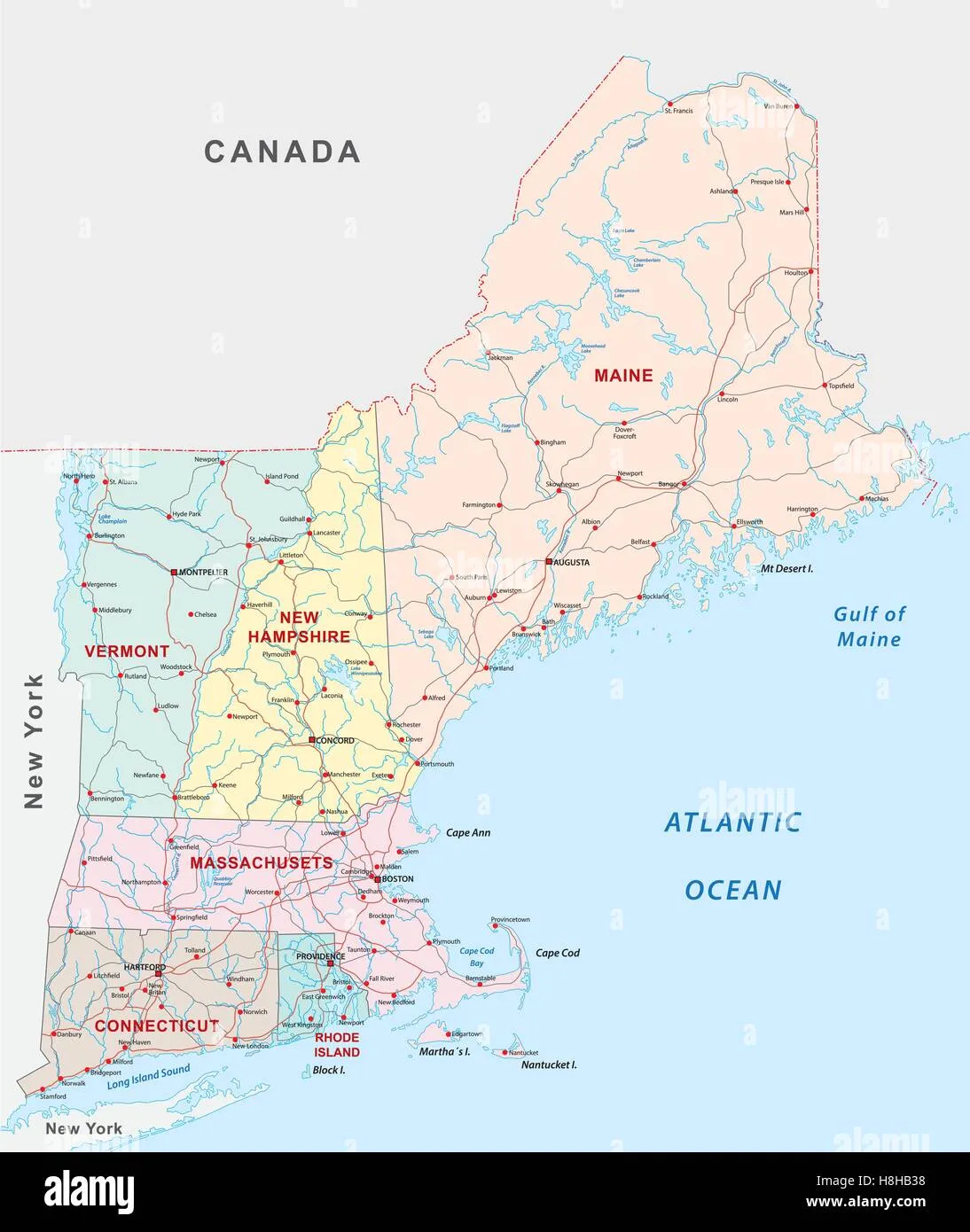 Photo: New England, via c8.alamy.com
But the formal interview was only the beginning. Once admitted, new residents were assigned to established families who would monitor their integration, evaluate their conduct, and report any concerns to town authorities. These host families provided practical assistance—help finding housing, introductions to potential employers, guidance on local customs—while gathering intelligence on their charges' habits, associations, and loyalties.
Puritan towns understood that information was most valuable when it didn't feel like information. The neighbor who helped you repair your fence also noticed whether you attended church regularly, treated your servants fairly, and paid your debts on time. Community assistance and community surveillance were the same activity, performed by the same people, for the same purpose: maintaining social order through distributed observation.
The Frontier Welcome Wagon
Nineteenth-century frontier settlements faced unique security challenges. Residents needed to distinguish between legitimate settlers and potential threats—claim jumpers, outlaws, confidence men, and other undesirable elements who followed development westward. But formal law enforcement was often hundreds of miles away, and mistakes could be fatal.
Frontier communities developed elaborate informal networks for vetting newcomers. Established residents would visit new arrivals, ostensibly to offer assistance and friendship, but actually to assess their stories, evaluate their resources, and gauge their intentions. These social calls followed predictable patterns: questions about previous residences, family connections, travel routes, and future plans, combined with offers of practical help that created opportunities for extended observation.
The most effective frontier intelligence gatherers were women. Men might discuss business and politics with male newcomers, but women had access to domestic spaces, family dynamics, and personal details that revealed character more reliably than public presentations. The woman who helped a new neighbor with her garden learned about the family's financial situation, their relationships with each other, and their plans for the future.
This information circulated through informal networks that could mobilize community resources to help genuine settlers or community pressure to encourage troublemakers to move on. The frontier welcome wagon was simultaneously a mutual aid society and an early warning system.
The Suburban Perfection
Post-World War II suburban developments industrialized the welcome process. Planned communities like Levittown came with built-in social structures designed to integrate new residents while maintaining community standards. Welcome committees, neighborhood associations, and social clubs provided frameworks for systematic newcomer assessment disguised as social inclusion.
The suburban welcome committee represented the democratic evolution of aristocratic calling customs. Instead of relying on established elites to evaluate social acceptability, middle-class neighborhoods distributed vetting responsibilities among volunteer committees that combined genuine hospitality with careful observation.
Committee members arrived with gifts—baked goods, local business directories, community newsletters—and questionnaires disguised as conversations. They asked about family composition, employment, hobbies, and community involvement preferences. They offered information about schools, churches, and civic organizations while evaluating newcomers' suitability for each.
The information gathered during welcome visits circulated through telephone networks, coffee gatherings, and PTA meetings, creating detailed profiles of new residents before they had unpacked their belongings. Communities could identify potential assets—doctors, teachers, skilled volunteers—and potential problems—renters in ownership neighborhoods, families with different religious or political orientations, households that might not maintain property standards.
The Digital Doorbell
Contemporary neighborhood surveillance has moved online, but the fundamental dynamics remain unchanged. Nextdoor, Ring camera networks, and Facebook neighborhood groups create digital versions of the traditional welcome committee, combining community assistance with systematic observation.
New residents are tagged in Nextdoor posts, added to local Facebook groups, and encouraged to introduce themselves to virtual neighbors. The introductions follow familiar patterns: family composition, employment, previous residence, and community involvement interests. Established residents respond with recommendations for services, warnings about local issues, and invitations to neighborhood events.
But the digital format amplifies the surveillance capabilities that were always present in neighborhood welcome systems. Ring cameras create continuous monitoring networks. Social media profiles provide detailed background information. Online discussions generate permanent records of opinions, associations, and activities.
The algorithm that suggests you might enjoy the local book club also notes that you work from home, have school-age children, and recently moved from a liberal city to a conservative suburb. The neighbor who shares restaurant recommendations also shares your license plate number with the neighborhood watch group.
The Kindness Trap
The genius of neighborhood surveillance systems is that they feel like the opposite of surveillance. Who could object to friendly neighbors offering assistance to newcomers? What's sinister about community members wanting to know something about the people moving in next door?
But the welcome committee model demonstrates how surveillance becomes most effective when it doesn't feel like surveillance. The most valuable intelligence comes from people who don't realize they're providing it, gathered by people who don't think of themselves as gathering it, in contexts that feel like social interaction rather than data collection.
Every neighborhood welcome system serves dual functions: genuine community building and systematic threat assessment. The balance between these functions varies, but the combination remains constant. Communities that want to remain communities need to know something about their members. The question isn't whether to gather information about newcomers—it's how much information to gather, how to gather it, and what to do with it once you have it.
Mrs. Henderson's casserole comes with strings attached, but those strings connect you to networks that can provide assistance, friendship, and belonging. The price of admission is transparency about who you are and what you want. It's the same bargain humans have been making since we first started living in groups larger than extended families.
The casserole is always delicious. The questions are always friendly. The surveillance is always real.