Hired Guns and Clean Hands: America's Tradition of Imported Authority

The Stranger's Badge
In 1881, Dodge City, Kansas hired Bat Masterson as sheriff. He wasn't from Dodge City. He had no family there, no local business interests, no childhood friends to protect or enemies to settle with. This wasn't an oversight in the hiring process—it was the entire point. Dodge City had learned what every American community eventually discovers: if you want someone to enforce unpopular rules without favoritism, you hire a stranger.
 Photo: Dodge City, Kansas, via assets.simpleviewinc.com
The pattern repeats across American history with mechanical precision. When communities need someone to make hard decisions, fire popular employees, or implement controversial changes, they consistently choose outsiders over locals. The practice has evolved from frontier justice to corporate management, but the underlying psychology remains identical.
The Roman Precedent
American towns didn't invent this strategy—they inherited it from a much older tradition. Roman provincial governors were never assigned to their home regions. A man from Gaul couldn't govern Gaul; someone from Britannia couldn't administer Britannia. Roman administrators understood that local ties created conflicts of interest that made effective governance impossible.
The system worked because it aligned incentives correctly. A foreign governor's career advancement depended on pleasing Rome, not local populations. He could impose unpopular taxes, conscript soldiers, and suppress rebellions without worrying about running into his victims' families at the market. When his term ended, he simply moved to another province, leaving the resentment behind.
The Frontier Innovation
American frontier towns faced similar challenges but couldn't rely on imperial appointment systems. Instead, they created a market for imported authority. Professional lawmen like Wild Bill Hickok, Wyatt Earp, and Bat Masterson built careers moving from town to town, cleaning up local problems that residents couldn't or wouldn't address themselves.
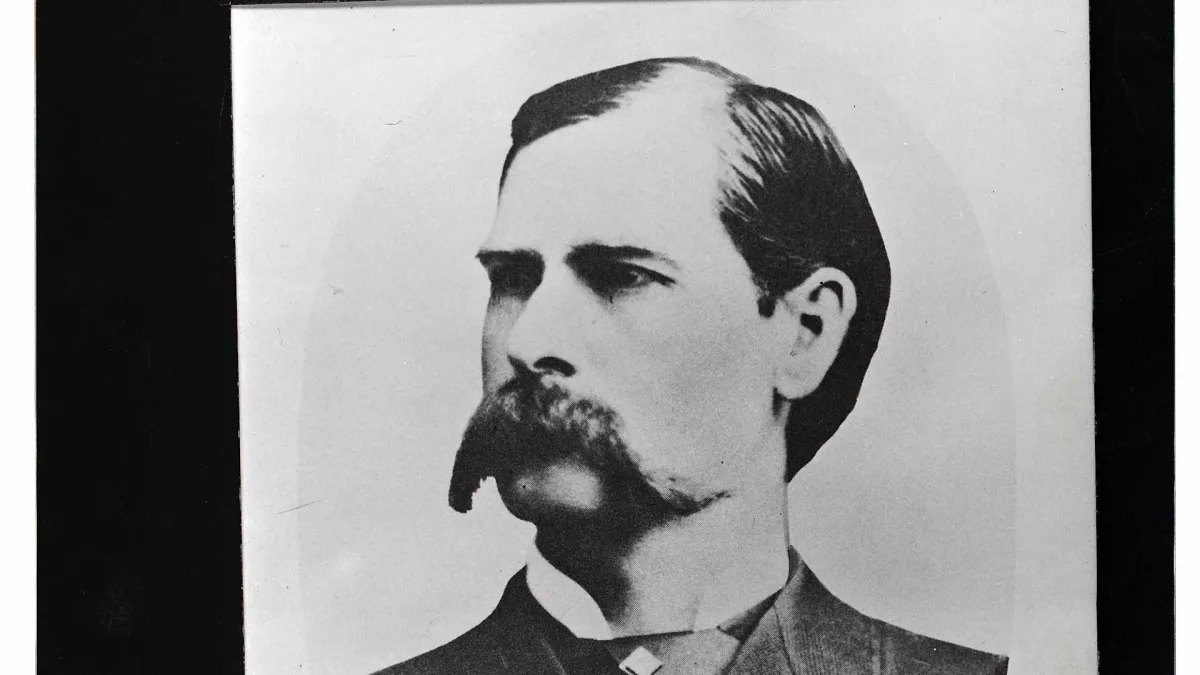 Photo: Wyatt Earp, via res.cloudinary.com
These hired guns understood the business model intuitively. They commanded higher salaries than local candidates because they offered something locals couldn't: the ability to arrest the mayor's son, close down the biggest employer's illegal gambling operation, or shoot the banker's brother-in-law in a fair fight. Their outsider status was their primary qualification.
The system created its own ecosystem. Professional lawmen developed reputations that preceded them, making their mere arrival a deterrent to local troublemakers. Towns competed for the most effective enforcers, driving up salaries and professionalizing what had previously been amateur volunteer work.
The Corporate Evolution
Modern American corporations have refined this ancient practice into a sophisticated management science. When companies need to implement massive layoffs, restructure operations, or close facilities, they rarely promote from within. Instead, they hire "turnaround specialists" and "interim executives" whose entire career value depends on their willingness to make decisions that local managers couldn't politically survive.
These corporate gunslingers command premium salaries precisely because they can fire half the workforce without worrying about their children's soccer teams or their spouse's book club. They parachute in, implement unpopular changes, then move to the next assignment before the long-term consequences become apparent.
The technology industry has elevated this practice to an art form. Silicon Valley companies routinely hire "adult supervision" from outside the industry when they need to transition from startup culture to corporate discipline. These imported executives can eliminate beloved perks, impose dress codes, and fire popular employees without the emotional baggage that would paralyze internal candidates.
The Municipal Marketplace
American cities have created an entire professional class of imported administrators. City managers, police chiefs, and school superintendents increasingly come from other states, moving from assignment to assignment like medieval mercenaries. Their résumés read like touring schedules: three years in Phoenix, two years in Milwaukee, four years in Charlotte.
This mobility serves both sides of the employment equation. Cities get administrators who can implement controversial reforms without local political constraints. Administrators get career advancement opportunities that wouldn't exist if they were limited to their home communities. The system creates perverse incentives—success is measured by the ability to move to a bigger, better-paying position elsewhere, not by long-term community outcomes.
The Digital Age Acceleration
Social media and remote work have accelerated the traditional pattern of imported authority. Companies can now hire crisis managers who never set foot in local offices, implementing layoffs via video conference and restructuring operations through Slack messages. The physical distance that once required months of travel can now be maintained while sitting in the same city.
Online platforms have created new categories of imported authority. Content moderators make decisions about community standards without belonging to the communities they police. Algorithm designers shape social interactions without participating in them. Platform executives determine what billions of users can say or see while remaining personally insulated from the consequences.
The Accountability Gap
The fundamental problem with imported authority has never changed: it creates a gap between power and accountability that benefits institutions at the expense of communities. When the sheriff is from somewhere else, local voters can't hold him accountable through normal political channels. When the corporate restructuring specialist lives in another state, affected employees have no leverage over her future career prospects.
This accountability gap explains why the practice persists despite its obvious drawbacks. Institutions prefer imported authority because it allows them to implement unpopular policies without accepting responsibility for them. Communities tolerate it because they often lack alternatives—local candidates may genuinely be unable to make necessary but painful decisions.
The Perpetual Cycle
American communities keep rediscovering this solution because the underlying problem never goes away: local accountability and effective governance often conflict with each other. Every generation believes they've found a new solution to an old problem, but they're really just updating an ancient practice for contemporary conditions.
The next time your city hires an outside police chief, your company brings in a turnaround specialist, or your school district recruits a superintendent from three states away, remember: you're witnessing the latest iteration of humanity's oldest solution to the problem of local politics. The badges change, but the strangers wearing them serve the same function they always have.