The Signature You'll Never Use: How Pledges Have Always Sorted the Faithful from the Flight Risks
The Moment of Truth
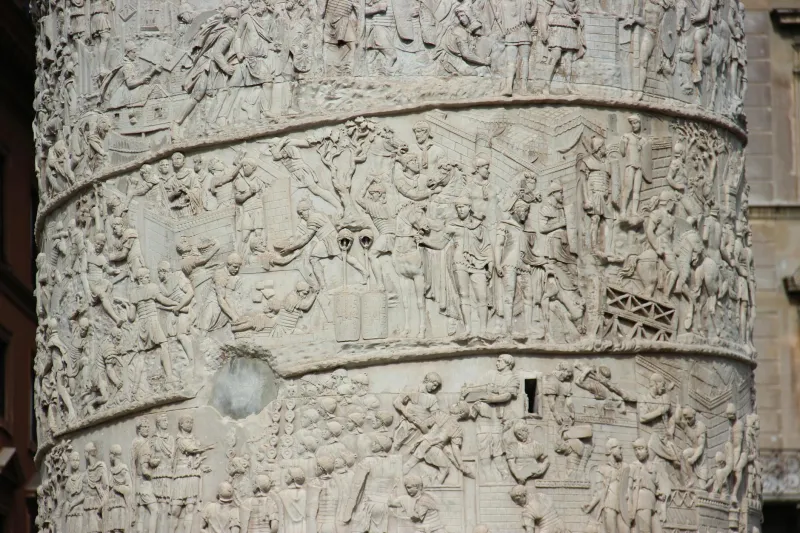
In 216 BCE, after the catastrophic defeat at Cannae, Rome faced a crisis that would have destroyed lesser civilizations. Hannibal had slaughtered three Roman armies, and panic gripped the city. The Senate's response was swift and telling: they demanded that every remaining soldier swear a new oath of allegiance, the sacramentum. But this wasn't about inspiring loyalty—it was about identifying who still had any left to give.
The Roman commanders weren't naive. They understood what modern HR departments have rediscovered: the moment you ask someone to pledge their loyalty is precisely the moment you reveal your doubts about having it. More importantly, their reaction tells you everything you need to know about theirs.
Two millennia later, Senator Joseph McCarthy would deploy the same psychological mechanism with devastating effectiveness. The loyalty oaths of the 1950s weren't designed to create patriots—they were designed to flush out communists. The genius lay not in what people signed, but in how they signed it, when they hesitated, and what questions they asked first.
The Psychology of the Pledge
Human nature hasn't evolved since the fall of Rome, which means the fundamental dynamics of loyalty testing remain unchanged. When an institution demands a formal declaration of allegiance, it's conducting a real-time assessment of who's already mentally checked out.
Consider the modern corporate non-disclosure agreement. Every new employee signs one, often without reading it. But watch carefully during the signing process, and you'll notice something revealing: the people who actually read the document, who ask questions about specific clauses, or who request modifications are precisely the ones leadership should worry about. Not because they're planning to steal secrets, but because they're thinking like people who might leave.
This isn't paranoia—it's pattern recognition refined over centuries of institutional survival. The Romans knew that soldiers who questioned the oath were already questioning their commitment to the campaign. McCarthy understood that academics who balked at loyalty pledges were likely harboring sympathies that made them unreliable. Modern corporations have learned that employees who scrutinize NDAs are mentally preparing for their next opportunity.
The American Innovation
America's contribution to this ancient practice has been to democratize it through technology. Every terms-of-service agreement you've ever clicked "Accept" on is a loyalty oath for the digital age. Social media platforms, streaming services, and smartphone apps all require you to pledge allegiance to their ecosystem before granting access to their services.
The brilliance of this system lies in its scale and subtlety. Unlike the dramatic loyalty oaths of the McCarthy era, digital pledges feel routine, almost invisible. Yet they serve the same function: they identify the compliant majority who click without reading and the suspicious minority who actually examine what they're agreeing to.
Tech companies have discovered what Roman generals and Cold War senators knew instinctively—the act of demanding agreement is more valuable than the agreement itself. The data generated by user behavior after signing reveals far more about loyalty and engagement than any pledge ever could.
The Resistance Pattern
Throughout history, the most dangerous individuals to any institution have been those who refuse to take the oath at all. These aren't necessarily enemies—often they're simply people who understand what's really being asked of them.
During the Civil War, Union loyalty oaths were required of government employees, teachers, and even voters in occupied Confederate territories. The most problematic responses weren't outright refusals, but qualified acceptances. People who signed "under duress" or with written reservations were flagged as potential security risks, not because they opposed the Union, but because they demonstrated the kind of independent thinking that made them unpredictable.
This pattern repeats across cultures and centuries. In ancient China, imperial loyalty oaths revealed which officials were positioning themselves for the next dynasty. In medieval Europe, feudal pledges identified vassals who were already negotiating with rival lords. In modern America, employee loyalty programs highlight workers who are updating their LinkedIn profiles.
The Intelligence Value
The true genius of the loyalty oath lies in its function as an intelligence-gathering tool. Every hesitation, every question, every modification request creates a data point that reveals the subject's true relationship with the institution.
Modern corporations have refined this process to an art form. Employee engagement surveys, company culture pledges, and performance improvement plans all serve the same fundamental purpose as Roman military oaths—they sort the room between those who are fully committed and those who are already gone in everything but body.
The most sophisticated organizations don't even wait for formal pledges anymore. They've learned to read the signals that precede defection: decreased participation in voluntary activities, subtle changes in communication patterns, reduced investment in long-term projects. The loyalty oath has evolved from a single dramatic moment to a continuous monitoring process.
The Eternal Return
What makes this pattern so persistent across history is its roots in unchanging human psychology. Trust is fragile, institutions are vulnerable, and leaders are perpetually insecure about the loyalty of their followers. The loyalty oath provides the illusion of control while actually serving as an early warning system for institutional decay.
The Romans who demanded the sacramentum after Cannae weren't trying to prevent desertion—they were trying to identify deserters before they deserted. McCarthy's loyalty oaths weren't designed to create patriots—they were designed to expose subversives. Modern corporate pledges aren't meant to inspire dedication—they're meant to predict turnover.
In each case, the institution that demands the pledge has already lost confidence in its ability to inspire genuine loyalty. The oath becomes both symptom and diagnostic tool, revealing as much about institutional weakness as individual commitment.
The next time you're asked to sign something that pledges your loyalty, allegiance, or commitment, remember that you're participating in a ritual that stretches back to the earliest civilizations. The signature they want isn't the one on the document—it's the behavioral signature you'll leave afterward, revealing whether you're truly committed or simply going through the motions until something better comes along.