When Your Boss Owned Your Soul: The Eternal Return of the Company Town
The Debt That Never Cleared
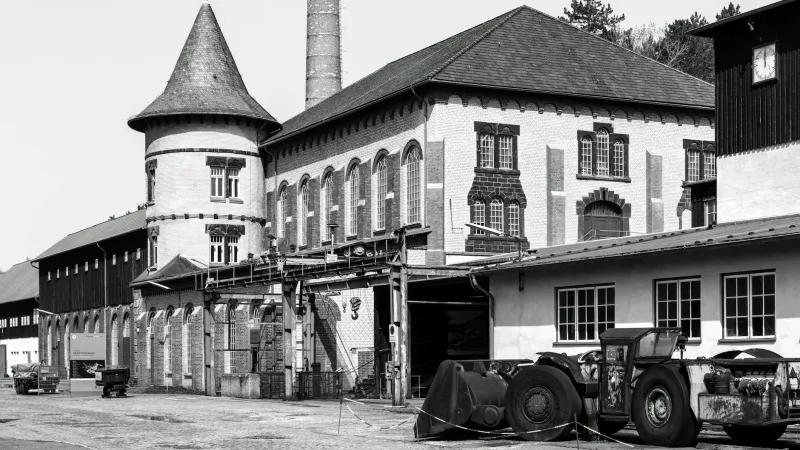
In 1890, a coal miner in West Virginia could work twelve hours underground, collect his pay in company scrip, spend it at the company store for groceries marked up thirty percent, rent a company house with walls so thin he could hear his neighbor's arguments, send his children to a company school where they learned company-approved lessons, pray at a company church where the preacher was paid by company funds, and visit a company doctor when black lung finally caught up with him. By the end of the month, he owed more than he had earned. This was not an accident.
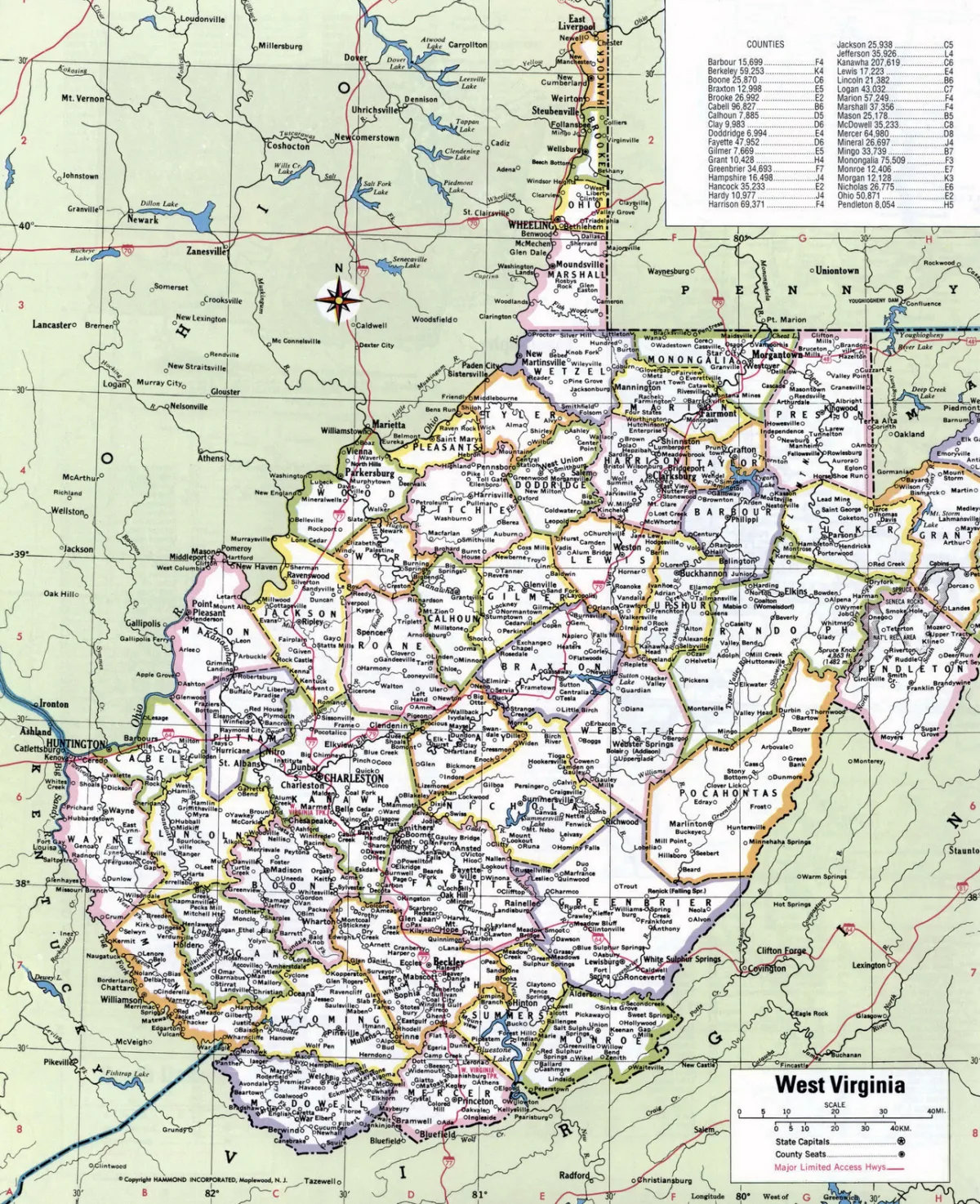 Photo: West Virginia, via www.vidiani.com
The company town model that dominated American industrial development for nearly a century was never really about providing housing. Housing was simply the foundation for a much more sophisticated system of control—one that ancient civilizations had perfected thousands of years before the first steam engine crossed the Atlantic.
The Roman Blueprint
In the countryside surrounding Rome, wealthy landowners operated vast agricultural estates called latifundia. These weren't just farms—they were self-contained worlds where thousands of slaves and tenant farmers lived, worked, and died without ever handling currency that could be spent elsewhere. The estate provided everything: housing, food, tools, entertainment, religious ceremonies, and medical care. Workers earned credits that could only be redeemed at estate-controlled outlets, ensuring that wealth flowed in one direction.
The genius of the system wasn't the physical confinement—it was the economic impossibility of leaving. A tenant farmer might work for decades and never accumulate enough independent wealth to survive a month outside the estate's boundaries. Freedom became a luxury that only the already-free could afford.
Egyptian temple complexes operated on identical principles. Priests, scribes, craftsmen, and laborers lived within temple walls, received temple rations, and spent their earnings at temple markets. The pharaoh's bureaucrats understood what American industrialists would rediscover: controlling the means of survival was more effective than controlling the workers themselves.
The New England Experiment
When Francis Cabot Lowell built his textile mills in Massachusetts in the 1810s, he studied the British factory system and declared it barbaric. His alternative would house young women in clean boarding houses, provide them with libraries and lecture series, and create a moral community that would improve both their characters and their productivity.
The Lowell system was genuinely more humane than its British predecessors. It was also more totalizing. The mill girls lived in company housing under company rules, worked company shifts, attended company-sponsored events, and shopped at company-preferred establishments. They earned wages, but those wages circulated through a closed loop of company-controlled commerce.
When the mill girls organized strikes in the 1830s and 1840s, they weren't just protesting working conditions—they were rebelling against a system that had colonized every hour of their lives. The company responded by importing Irish immigrants willing to accept both lower wages and more comprehensive control.
The Coal Camp Empire
By the late 1800s, American coal and steel companies had refined the company town model into something approaching feudalism. In the mountains of Pennsylvania, West Virginia, and Kentucky, mining companies built entire settlements where they owned the houses, the stores, the schools, the churches, the hospitals, and often the local government.
Workers paid rent to the company, bought groceries from the company store at inflated prices, sent their children to company schools, and received medical care from company doctors. The company issued its own currency—scrip—that could only be spent at company establishments. Leaving meant abandoning not just a job, but an entire social world.
When miners tried to organize unions, companies could evict entire families, cut off their access to food and medical care, and effectively exile them from the only community they knew. The 1921 Battle of Blair Mountain, where 10,000 armed miners fought company forces and federal troops, was less a labor dispute than a war of independence.
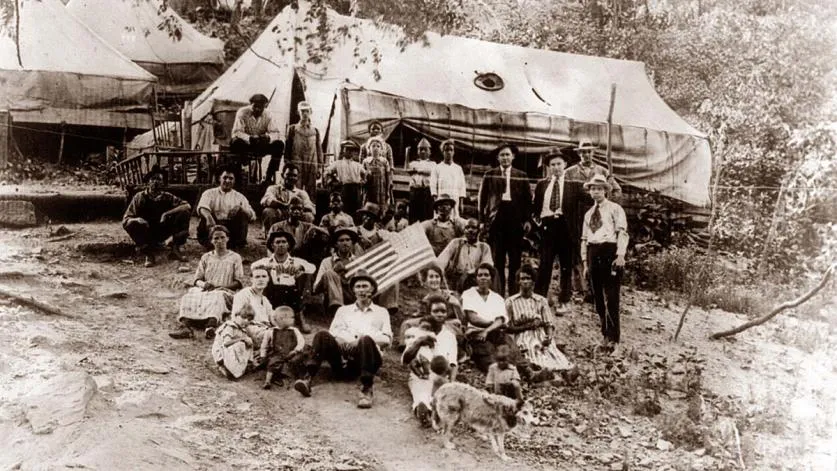 Photo: Battle of Blair Mountain, via www.tclf.org
The Modern Inheritance
The classic company town died out after World War II, killed by federal regulations, union organizing, and the automobile's expansion of workers' geographic options. But the underlying logic never disappeared—it simply adapted to new technologies and new forms of dependency.
Today's tech giants build corporate campuses with free meals, on-site gyms, laundry services, and recreational facilities designed to minimize employees' need to leave company property. Amazon warehouses in rural areas often become the dominant local employer, shaping housing markets, retail landscapes, and municipal budgets in ways that echo the coal camp model.
The gig economy has created a new form of company town without geography. Uber drivers, DoorDash couriers, and Amazon Flex workers depend on company-controlled platforms for income, vehicle financing, insurance, and even access to banking services. They're not employees, so they receive no traditional benefits, but they're also not independent contractors in any meaningful sense—they're participants in closed economic systems designed to capture and recirculate their earnings.
The Subscription to Everything
Employer-provided health insurance—a historical accident born from World War II wage controls—has become the most powerful company town mechanism in modern America. Workers stay in jobs they hate, tolerate conditions they despise, and accept wages below their market value because leaving means losing access to medical care for themselves and their families.
This isn't different from the coal miner who couldn't quit because he owed money at the company store. It's the same dependency relationship, dressed in the language of benefits and human resources.
The pattern extends beyond employment. Subscription services, loyalty programs, and ecosystem products create miniature company towns in digital space. Apple users live in a world of Apple services, Amazon Prime members shop in Amazon's walled garden, and social media platforms capture attention that can only be spent within their advertising-supported economies.
The Enduring Appeal
Company towns persist because they solve real problems for both employers and workers. Employers get stable, controllable workforces and captive markets for their services. Workers get convenience, community, and protection from certain kinds of economic uncertainty.
The trap lies in what economists call "monopsony power"—when a single buyer dominates a market. In a company town, workers face a single employer, renters face a single landlord, and consumers face a single merchant. Competition disappears, and with it, the market forces that theoretically protect individual choice.
Every generation rediscovers this dynamic and believes it can make it work fairly. Roman estate owners thought they were providing security to their tenants. Lowell mill owners thought they were uplifting young women. Coal companies thought they were bringing civilization to the wilderness. Tech companies think they're building the future of work.
The workers always discover the same thing: when your boss owns everything you need to survive, you don't have a boss—you have a master. The only thing that changes is the sophistication of the chains.