The Courthouse Wars: How Moving Government Buildings Became America's Deadliest Economic Weapon

The Geography of Power
In 1887, the thriving town of Lecompton, Kansas, boasted 2,500 residents, a bustling commercial district, and legitimate claims to becoming the state capital. By 1910, fewer than 300 people remained. No natural disaster had struck. No major industry had collapsed. No railroad had bypassed the town. Lecompton died because the Kansas territorial legislature moved the county seat to Lawrence, taking with it the courthouse, the land records office, and the legal proceedings that had made Lecompton the commercial center of Douglas County.
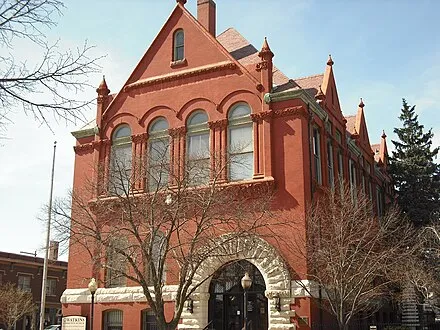 Photo: Lawrence, Kansas, via upload.wikimedia.org
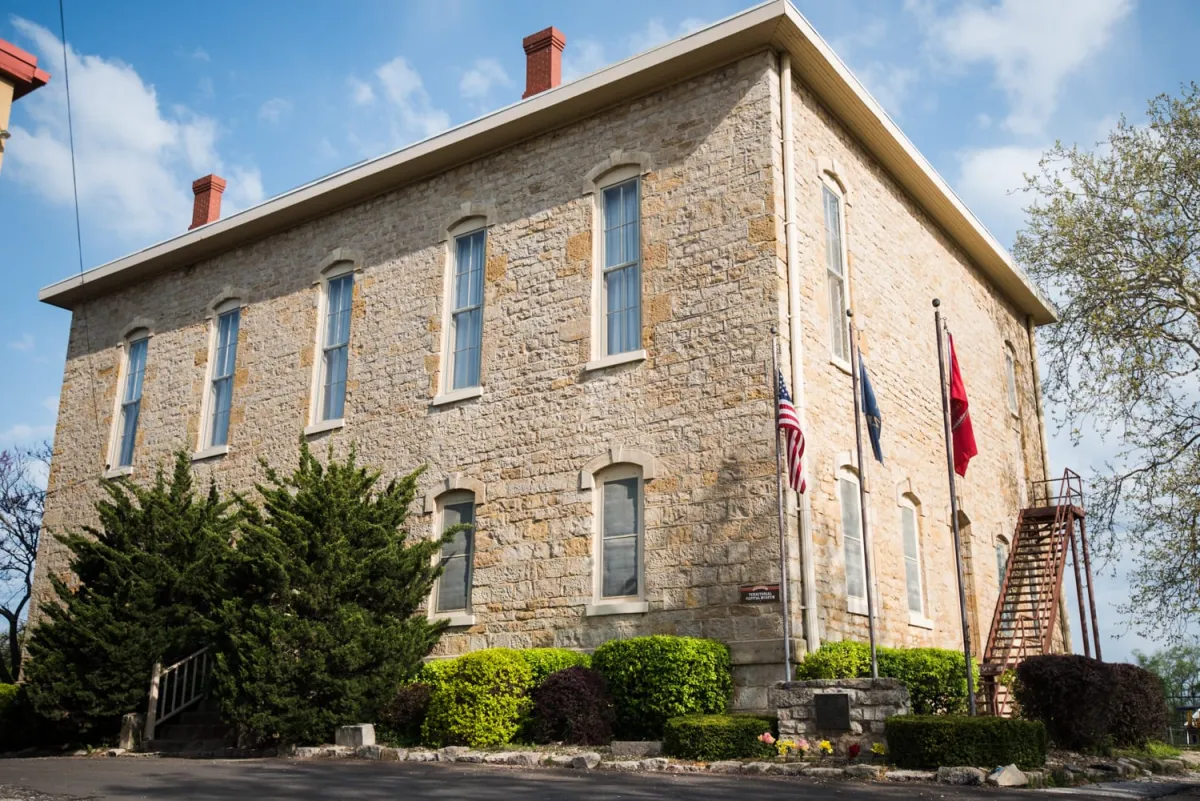 Photo: Lecompton, Kansas, via lecomptonkansas.com
Lecompton's story wasn't unique. It was the American story, repeated in dozens of counties where the difference between prosperity and abandonment came down to a single political decision: where to build the courthouse.
The Infrastructure of Justice
Modern Americans think of courthouses as places where trials happen. Nineteenth-century Americans understood them as the economic engines of regional development. The county courthouse wasn't just where legal disputes were resolved — it was where land titles were recorded, marriage licenses were issued, tax assessments were filed, and estate probates were processed. Every significant financial transaction in a county's economy required a visit to the courthouse.
More importantly, courthouse location determined where lawyers established practices, where banks opened branches, where newspapers set up operations, and where merchants built the hotels and restaurants that served the crowds of people who traveled to conduct county business. A county seat was guaranteed customers for every form of commercial enterprise. Towns without courthouses had to compete for economic activity like everyone else.
The early boosters who fought courthouse wars understood what modern economic development officials have forgotten: in a rural economy, controlling the flow of mandatory government services was more valuable than controlling any private industry.
The Kansas Laboratory
Kansas Territory became the laboratory for courthouse politics because its counties were being organized during the 1850s, when competing political factions were fighting for control of the territorial government. Every courthouse decision was simultaneously a legal decision, an economic decision, and a political decision about which communities would have the resources to influence future elections.
The fight over the Douglas County seat revealed the sophistication of courthouse politics. Lecompton had natural advantages: it sat on the Kansas River, had been designated the territorial capital, and had attracted significant investment from pro-slavery settlers who expected it to become the dominant city in eastern Kansas. Lawrence had political advantages: it had been founded by anti-slavery settlers who were better organized, better connected to national political networks, and more committed to long-term political control of the territory.
When Kansas achieved statehood in 1861, the anti-slavery faction used their legislative majority to move the county seat from Lecompton to Lawrence. The decision was presented as a matter of geographical convenience — Lawrence was more centrally located in the county. In reality, it was political warfare conducted through administrative reorganization.
The Railroad Multiplier Effect
County seat designation became even more valuable after the Civil War, when railroad companies used courthouse locations as one factor in determining depot placement. Railroads preferred to build depots in county seats because county business generated guaranteed passenger traffic, and county officials had more political influence over land use decisions that affected railroad operations.
The combination of courthouse and railroad depot created a multiplier effect that nineteenth-century town boosters understood perfectly. A county seat with railroad access became the natural commercial center for the entire county. Towns that lost their courthouse designation and failed to secure railroad depots faced a double disadvantage that proved impossible to overcome.
This dynamic played out most dramatically in Nebraska, where county organization coincided with railroad construction during the 1870s and 1880s. Towns that secured both courthouse and depot designations — like Grand Island, Hastings, and North Platte — became regional centers that still dominate their areas today. Towns that lost courthouse fights — like Lone Tree, Elm Creek, and Wood River — either disappeared entirely or survived as small agricultural service centers.
 Photo: Grand Island, Nebraska, via www.worldatlas.com
The Post Office Connection
Federal post office designation added a third layer to the courthouse wars. Post offices determined mail delivery routes, which influenced where merchants established businesses and where farmers conducted their commercial activities. A town with courthouse, railroad depot, and post office had a triple lock on regional economic activity.
The post office designation process was officially based on population and geographical convenience, but it was actually controlled by political patronage. Postmaster appointments went to local political leaders who supported the winning party in national elections. Those political leaders naturally favored communities that supported their broader political objectives — which often meant supporting communities that had won courthouse fights.
The result was a feedback loop where political success bred economic success, which bred more political success. Towns that won early courthouse battles had the resources and political connections to win railroad depot designations and post office appointments, which gave them the economic advantages to dominate future political battles.
The Modern Legacy
Contemporary Americans often assume that successful cities grew organically because they had natural advantages — better river access, more fertile soil, or more convenient locations. The courthouse wars reveal that many regional hierarchies were determined by political decisions that had nothing to do with natural advantages and everything to do with which communities had better political organization during the brief window when county seats were being designated.
This pattern continues in modern economic development, though the weapons have changed. Today's courthouse wars are fought over airport authority designations, interstate highway interchanges, university campus locations, and federal facility siting decisions. The communities that win these battles gain the same kind of guaranteed economic activity that nineteenth-century county seats enjoyed. The communities that lose face the same gradual decline that claimed places like Lecompton.
The Lesson of Political Geography
The courthouse wars teach a lesson that Americans prefer to forget: economic success isn't always earned through superior products, better services, or more efficient operations. Sometimes it's awarded through political processes that have nothing to do with market competition and everything to do with which communities have the political sophistication to win battles over government resource allocation.
Every thriving county seat in America represents a political victory that occurred generations ago. Every ghost town that died after losing its courthouse represents a political defeat that its residents probably didn't understand until it was too late to reverse.
The old routes that connected county seats to their surrounding territories weren't just roads. They were the arteries of political and economic power, designed to ensure that all regional activity flowed through communities that had won the right to control it. Those routes still exist, and they still determine which American communities thrive and which ones struggle to survive.
The courthouse wars never ended. They just moved to different buildings.