
The Vocabulary of Victory
When Julius Caesar crossed the Rubicon in 49 BCE, he didn't call it an invasion of Rome. He called it a liberation. When Andrew Carnegie's private army opened fire on striking steelworkers in 1892, the newspapers didn't call it a massacre. They called it the restoration of order. When modern corporations eliminate thousands of jobs in a single afternoon, they don't call it mass termination. They call it right-sizing.
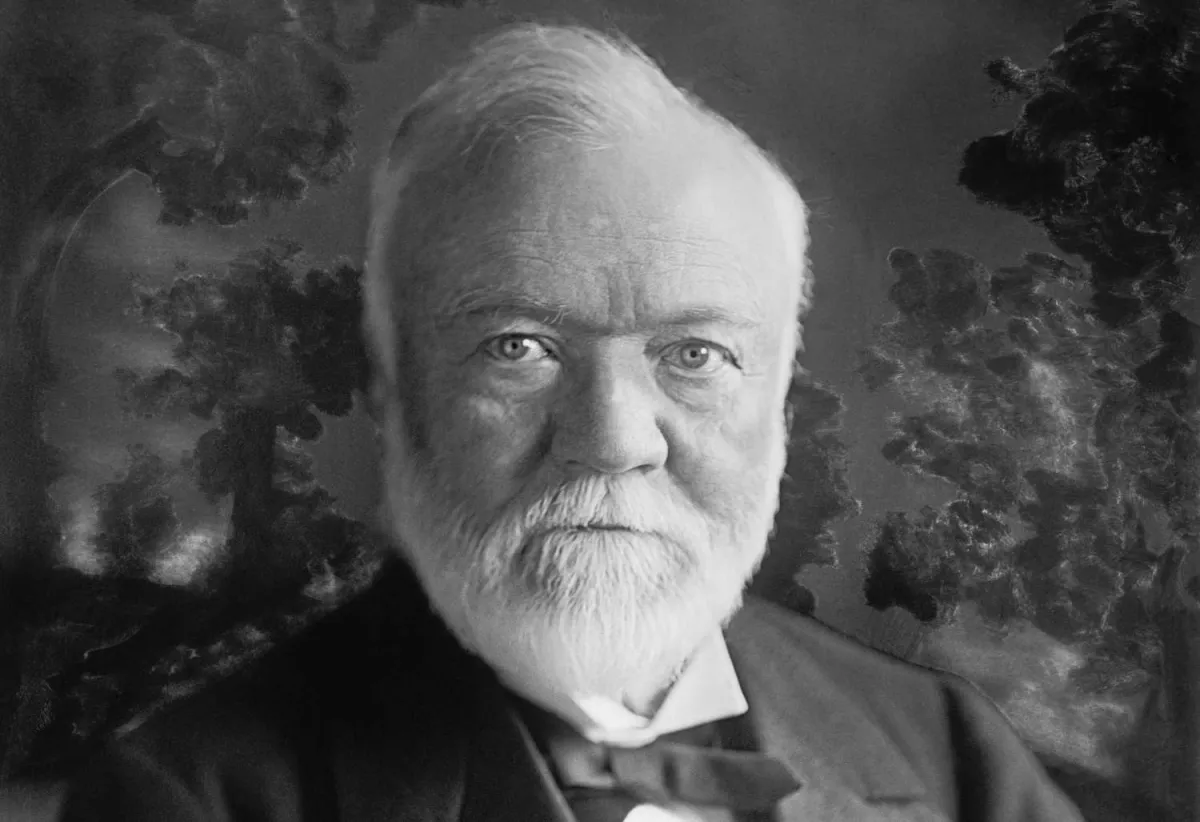 Photo: Andrew Carnegie, via www.thoughtco.com
 Photo: Julius Caesar, via www.romanemperors.com
The pattern spans millennia because human psychology remains constant: whoever names the crisis gets to frame its solution. Every generation believes their struggles are unprecedented, but the playbook for linguistic manipulation was already ancient when Cicero was perfecting it in the Roman Senate.
The Roman Template
Roman historians provide the clearest early examples of institutional language capture. When Augustus seized power and ended the Republic, he didn't abolish the Senate—he "restored" it. When his successors expanded the empire through conquest, they weren't invading—they were bringing civilization to barbarians. The Latin word "pacificare" literally meant to make peaceful, which is how Romans described the process of killing everyone who resisted their rule.
This wasn't accidental. Roman administrators understood that rebellions began with words before they progressed to weapons. Provincial governors routinely issued edicts redefining local customs as criminal behavior, then positioned Roman intervention as law enforcement rather than cultural suppression. The occupied territories weren't colonies—they were provinces receiving the benefits of Roman governance.
The Industrial Revolution's Linguistic Machinery
American industrialists of the late 1800s studied this Roman model, whether they realized it or not. When railroad barons needed to justify seizing millions of acres of public land, they didn't call it theft—they called it development. When factory owners locked workers inside buildings to prevent breaks, they weren't creating fire hazards—they were ensuring productivity.
The 1886 Haymarket Affair demonstrates the power of definitional control. Workers organizing for an eight-hour day weren't exercising labor rights—they were fomenting anarchist violence. The private security forces hired to break up strikes weren't corporate mercenaries—they were protecting American industry from foreign agitators. Newspaper editorials of the era show remarkable consistency in their vocabulary choices, suggesting coordinated messaging that would make modern PR firms envious.
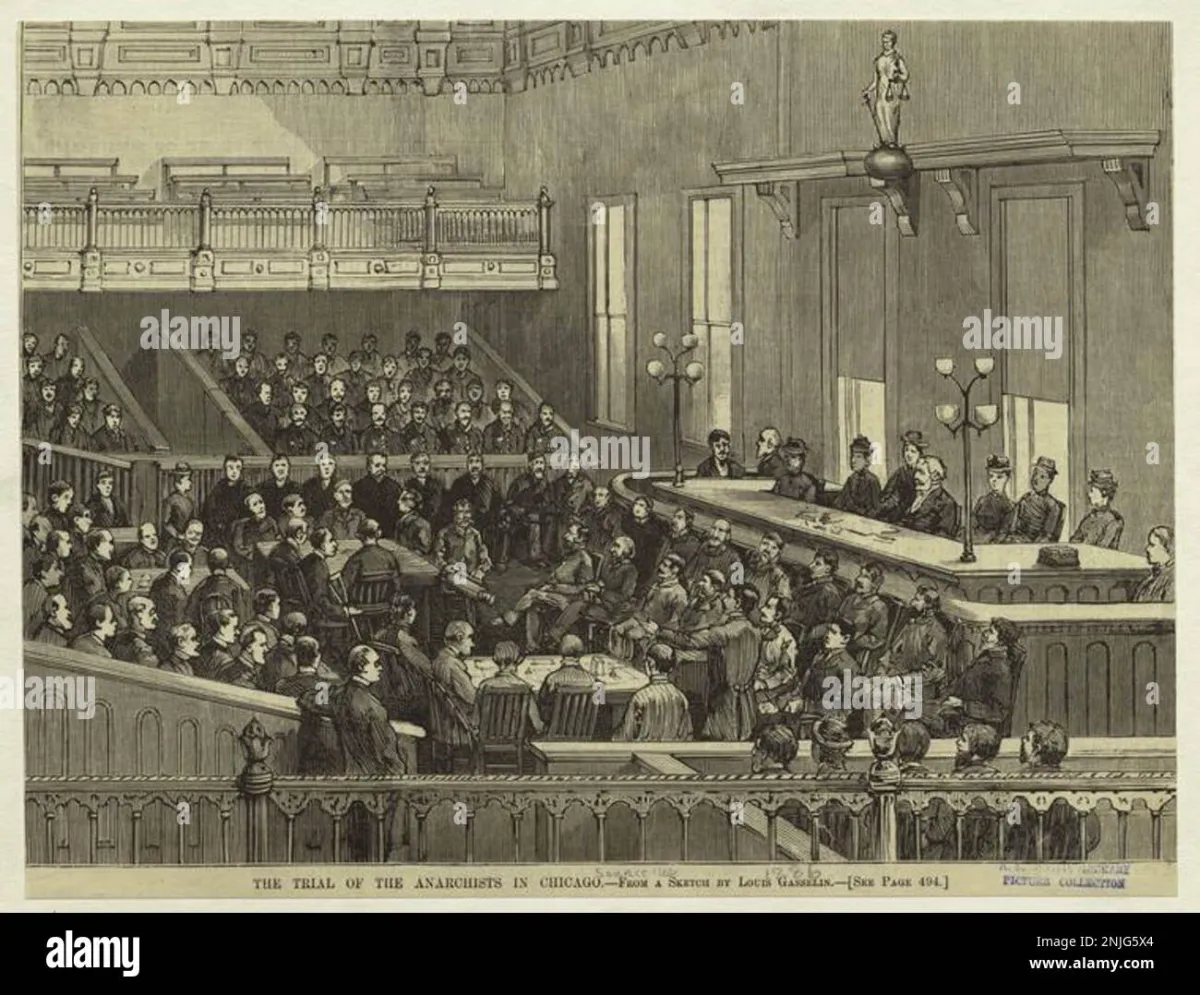 Photo: Haymarket Affair, via c8.alamy.com
The Modern Refinement
Today's corporations have refined these ancient techniques with scientific precision. Focus groups and linguistic analysis help executives choose words that minimize liability while maximizing public acceptance. "Layoffs" became "restructuring," then "right-sizing," then "optimization." "Pollution" became "emissions," then "byproducts," then "environmental externalities."
The pharmaceutical industry provides particularly clear examples. Companies don't sell drugs to healthy people—they expand treatment options for previously undiagnosed conditions. They don't raise prices—they invest in continued innovation. They don't lobby politicians—they provide educational resources to policymakers.
The Digital Age Acceleration
Social media platforms have accelerated the ancient practice of definitional warfare. When these companies collect personal data, they're not conducting surveillance—they're personalizing user experiences. When they manipulate what users see, they're not censoring—they're curating. When they sell access to users' attention, they're not trafficking in human behavior—they're facilitating targeted advertising.
The speed of modern communication has compressed the timeline, but the fundamental strategy remains unchanged: control the vocabulary, control the conversation. Every major platform employs teams of linguists and psychologists whose job is to find words that make controversial practices sound benign.
The Permanent Revolution
What makes this pattern particularly durable is its self-reinforcing nature. Once an institution successfully reframes a problem, that new vocabulary becomes embedded in legal documents, academic research, and public discourse. Future discussions must either accept the established framing or spend valuable time and credibility challenging it.
This creates what historians call "conceptual lock-in"—the same phenomenon that keeps us using QWERTY keyboards long after the mechanical constraints that created them disappeared. Changing an established vocabulary requires more energy than most reformers can sustain, which is why institutional language tends to favor whoever established it first.
The Unchanging Human Element
The reason this strategy works across cultures and centuries is rooted in basic human psychology. People need to understand complex situations quickly, so they rely on familiar categories and trusted sources. Those who control major communication channels—whether Roman roads, printing presses, or social media algorithms—can shape those categories to serve their interests.
Every generation discovers this power anew and believes they've invented something unprecedented. But the Romans who called conquest "pacification" would immediately recognize the corporate executives who call mass firings "optimization." The vocabulary changes; the underlying manipulation remains constant.
The next time you hear a powerful institution describe a crisis using particularly soothing language, remember: you're witnessing the latest iteration of humanity's oldest propaganda technique. The company that owns the dictionary has always won the argument.