The Five-Star Lie: Why Humans Have Always Fallen for Fake Reviews
The Original Influencer Campaign
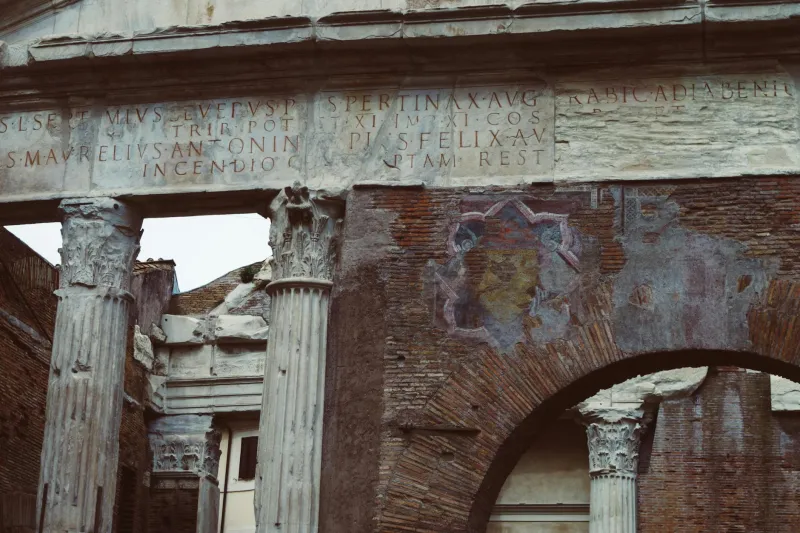
In 79 AD, when Mount Vesuvius buried Pompeii, it preserved more than just buildings and bodies. Archaeological excavations have uncovered what might be history's first celebrity endorsement scandal: graffiti showing that popular gladiators were paid to recommend specific olive oil brands, wine merchants, and even betting establishments.
 Photo: Mount Vesuvius, via i5.walmartimages.com
The gladiators weren't just fighting in the arena—they were fighting for market share. Their testimonials, carved into walls throughout the city, promised that Garum fish sauce would make you stronger, that Falernian wine would make you irresistible, that betting with Marcus the Syrian would make you rich. Sound familiar?
Medieval Marketplaces and Planted Praise
Jump forward a thousand years, and medieval guild records reveal an elaborate system of manufactured testimonials that would make modern marketing departments proud. Cloth merchants hired actors to pose as satisfied customers in marketplaces across Europe. These "shills" would loudly praise specific fabrics, recount stories of their durability, and recommend particular vendors to genuine shoppers.
The guild system even formalized this deception. Master craftsmen were required to provide testimonials for their apprentices' work—but the same masters often owned competing shops and had financial incentives to praise inferior products that wouldn't threaten their own market position.
A 1387 court case in Florence involved a wool merchant who sued a competitor for hiring "false witnesses to his quality." The defendant's response? Everyone did it, and customers expected it. The case was dismissed.
The Patent Medicine Empire
By the 1800s, American patent medicine companies had turned fake testimonials into an industrial process. Companies like Dr. Pierce's Invalid Hotel and Surgical Institute didn't just sell dubious cures—they published entire magazines filled with customer testimonials that were written by staff writers who had never met the supposed customers.
The system was breathtakingly sophisticated. Companies maintained databases of fake customer names, complete with addresses and biographical details. They hired former newspaper writers to craft believable testimonials in different regional dialects. They even created fake before-and-after photographs using actors.
Dr. Pierce's Golden Medical Discovery claimed to cure everything from consumption to "female complaints," backed by thousands of customer letters that were actually written by a team of copywriters in Buffalo, New York. The company made millions, not despite the fake testimonials, but because of them.
The Psychology Never Changed
What's remarkable isn't that people fell for these deceptions—it's that they continued to fall for them even when the deceptions were exposed. Newspaper investigations regularly revealed the fake testimonial industry, yet sales of endorsed products kept climbing.
The reason is hardwired into human psychology. We evolved in small groups where personal recommendations were reliable because they came from people we knew and trusted. When we moved into larger, anonymous societies, we kept the same mental shortcuts but lost the social context that made them accurate.
A testimonial from a stranger feels like a recommendation from a friend because our brains haven't updated their software for modern commercial relationships. We know, intellectually, that reviews can be faked. But emotionally, they still trigger our ancient trust mechanisms.
The Digital Age Changes Nothing
Today's fake review economy is just the latest iteration of a business model that's older than Christianity. Amazon's battle against fake reviews, Yelp's algorithmic filters, and Google's review verification systems are all responses to the same fundamental problem that plagued Roman merchants: when money depends on reputation, someone will always try to manufacture reputation.
The tools have evolved—bots instead of actors, algorithms instead of guild networks—but the incentives remain identical. A small restaurant can pay $50 for a dozen five-star reviews and see immediate increases in customer traffic. An unknown author can buy Amazon reviews and watch their book climb the bestseller lists.
The platforms fight back with increasing sophistication, using machine learning to detect fake patterns and requiring verified purchases for reviews. But for every defensive innovation, the fake review industry develops a countermeasure. Reviewers now vary their writing styles, space out their postings, and maintain elaborate fake personas across multiple platforms.
Why We Keep Falling For It
The most frustrating aspect of the fake testimonial economy isn't that it exists—it's that it works so well despite widespread awareness of its existence. Modern consumers are far more sophisticated than medieval marketplace shoppers, yet we're just as susceptible to manufactured social proof.
Consider your own behavior. When choosing a restaurant on a travel app, do you read the reviews? When buying a product online, do you check the star rating? When booking a hotel, do you scan the customer comments? Of course you do. We all do. And we all know that some percentage of those reviews are fake.
But we read them anyway because the alternative—making decisions without any social input—feels even riskier than trusting potentially fraudulent advice. We'd rather have suspicious information than no information.
The Honest Lie
Perhaps the most honest thing about the fake testimonial industry is how openly dishonest it's always been. Roman gladiator endorsements were obviously paid arrangements. Medieval guild testimonials were transparently promotional. Patent medicine testimonials were clearly too good to be true.
The deception was never really about hiding the commercial nature of the testimonials—it was about providing customers with permission to believe what they already wanted to believe. The fake review gives us social cover for decisions we've already made emotionally.
The Eternal Return
Every technological revolution promises to solve the testimonial problem through transparency and verification. The printing press would make false claims easier to expose. The telegraph would enable rapid fact-checking. The internet would democratize information and eliminate information asymmetries.
Instead, each new technology just creates new opportunities for the same old deceptions. The fake review industry adapts faster than the verification systems designed to stop it, because the economic incentives for deception are stronger than the technological barriers against it.
Four thousand years of fake testimonials teach us something uncomfortable about human nature: we don't really want honest reviews. We want reviews that confirm our existing preferences and give us confidence in decisions we're already inclined to make. The fake testimonial industry succeeds not by fooling us, but by telling us what we want to hear in the voice we want to hear it from.
The five stars were always fake. We've always known it. We've always believed them anyway.