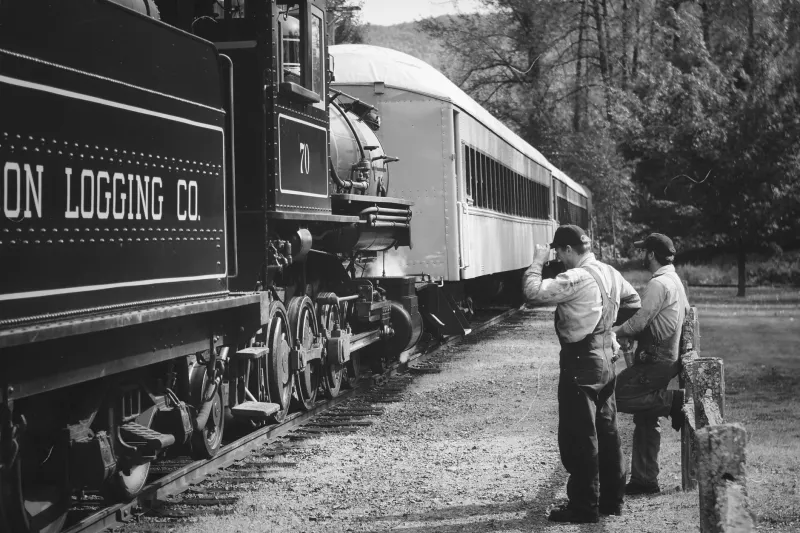
In the winter of 1867, the citizens of Ellsworth, Kansas, raised several thousand dollars in public funds, donated land from their own farms, and sent a delegation of their most persuasive men to negotiate with a railroad company that had not yet decided whether Ellsworth existed on any map that mattered. They were not unusual. Across the Great Plains and the American interior, the ritual repeated itself in hundreds of county seats, river crossings, and ambitious crossroads settlements: the community assembled everything it had and offered it to a corporation in exchange for a line on a survey map.
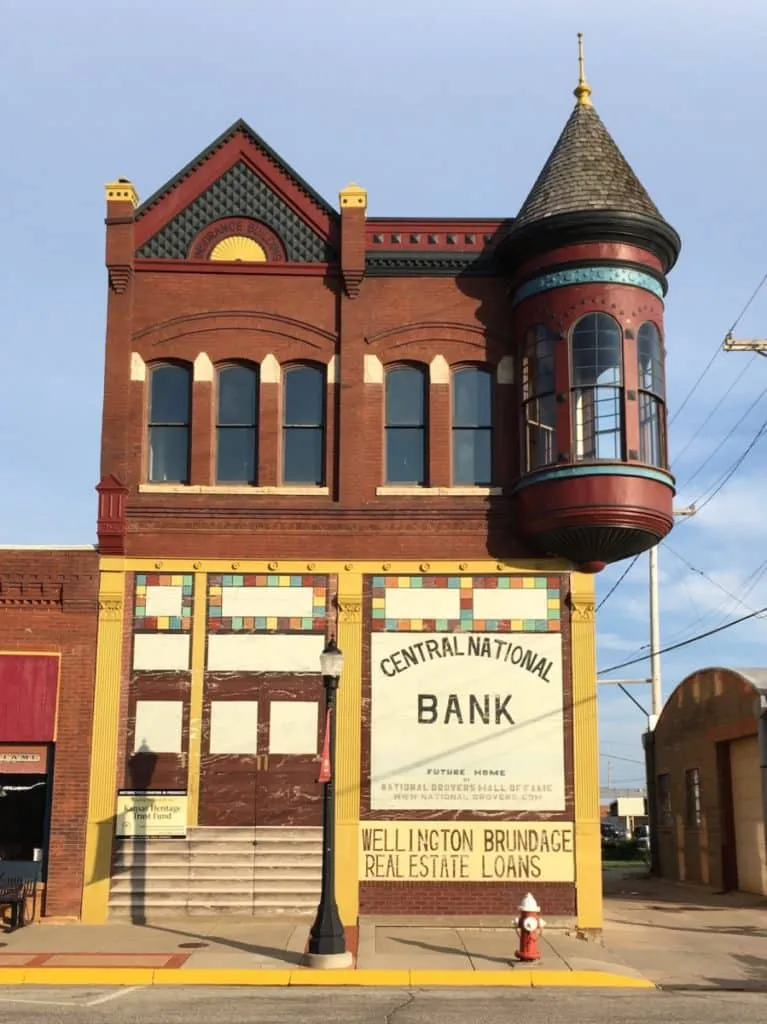 Photo: Ellsworth, Kansas, via patternenergy.com
What they were purchasing, they believed, was a future. What they were actually purchasing was a relationship — and like most relationships entered into from a position of desperation, the terms would be renegotiated continuously in favor of the party that needed it less.
The Auction Nobody Admitted Was Happening
Railroad companies in the post-Civil War era understood something that the towns bidding for their attention preferred not to examine too closely: the iron itself was not the scarce resource. Routes could be adjusted. Grades could be surveyed. A line that passed through one county seat could, with modest engineering adjustments, pass through another. The genuine scarcity was the company's willingness to commit.
This created a procurement dynamic that would be immediately recognizable to anyone who has watched a modern state legislature compete for a semiconductor factory or an e-commerce distribution center. Communities offered tax abatements, free right-of-way, cash subsidies, guaranteed freight minimums, and in several documented cases, outright transfers of public land that had taken decades to accumulate. The railroads accepted these gifts, built the lines, and then waited.
They did not have to wait long. Once a town had oriented its economy around a depot — once the grain elevators went up, the hotels clustered near the platform, and the county's commercial identity became inseparable from the schedule board — the leverage inverted completely. The railroad no longer needed to persuade anyone. It needed only to suggest.
The Second Negotiation
The suggestions arrived in various forms. Rate increases for agricultural shipments. Demands for additional land to expand switching yards. Pressure to approve bond measures that would fund improvements the company would own. In some cases, the instrument was cruder: a quiet announcement that the company was evaluating an alternative routing through a neighboring county, a rumor carefully placed in the local paper, a surveying crew spotted on the wrong side of the ridge.
Historians of the Gilded Age have documented this pattern extensively, but it tends to be narrated as a story about corporate villainy — the robber baron extracting tribute from the helpless farmer. That framing, while not inaccurate, misses something more structurally interesting. The railroad companies were not behaving aberrantly. They were behaving precisely as any holder of indispensable infrastructure has behaved across recorded history, because the psychology of dependency is not a product of capitalism or industrialization. It is a product of human beings making irreversible commitments.
The moment a community builds its identity, its economy, and its physical layout around a single technological artery, it has transferred a portion of its sovereignty to whoever controls that artery. The railroad companies simply had the organizational sophistication to collect on that transfer systematically.
An Old Pattern in New Tracks
The Romans understood this. The great roads radiating from the capital were engineering achievements, but they were also instruments of permanent obligation. Communities along the Via Appia did not merely benefit from imperial infrastructure; they became dependent on imperial goodwill for the maintenance of that infrastructure, and the empire was not shy about reminding them of this when provincial loyalty required reinforcement.
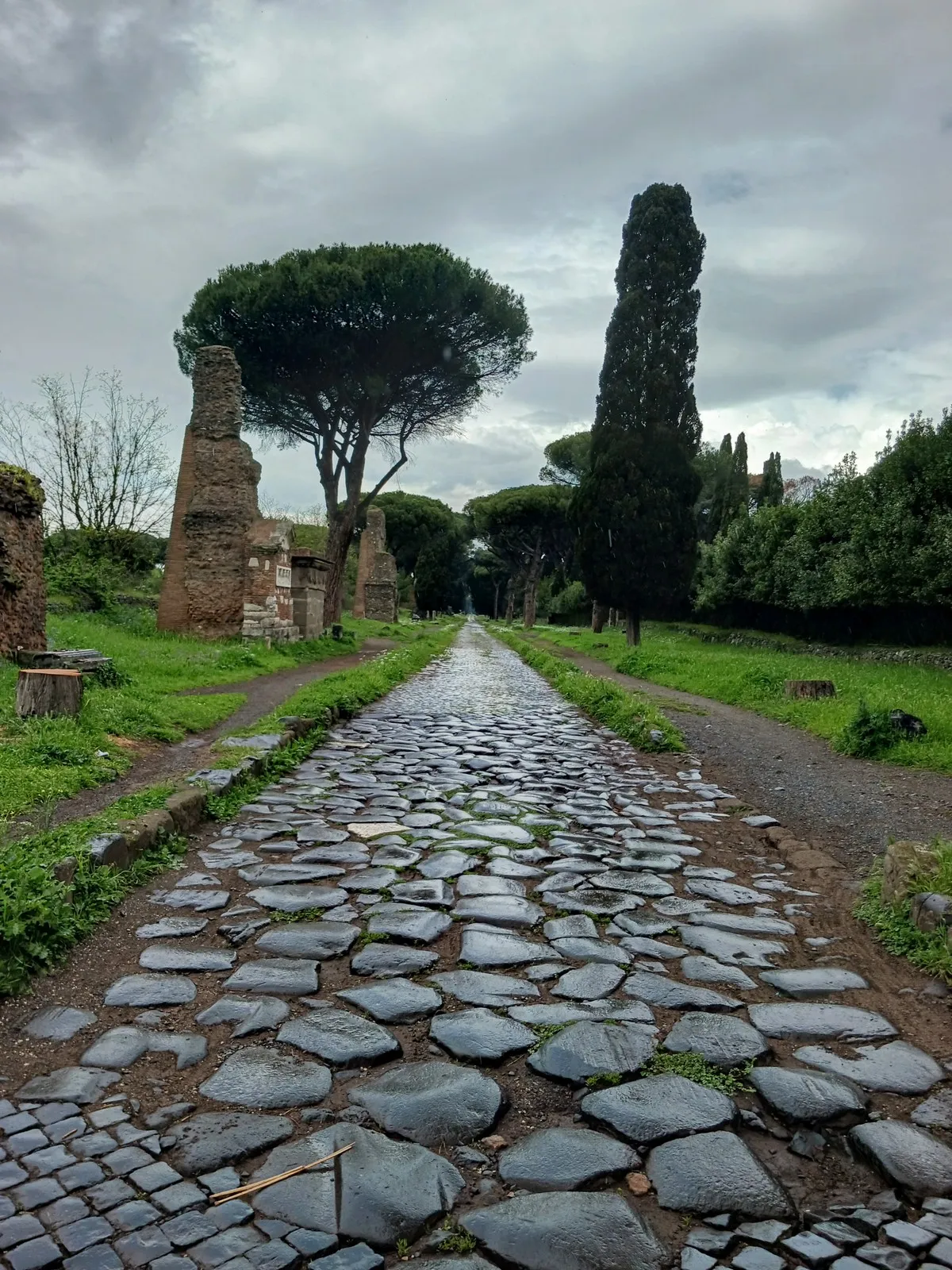 Photo: Via Appia, via www.visiter-rome.fr
The canal companies that preceded the railroads in American commercial life ran the same play. The Erie Canal transformed western New York so thoroughly that when the state legislature debated toll structures in the 1840s, entire regional economies held their breath. Towns that had been wilderness thirty years earlier now had no viable alternative to the ditch that had made them. They paid what was asked.
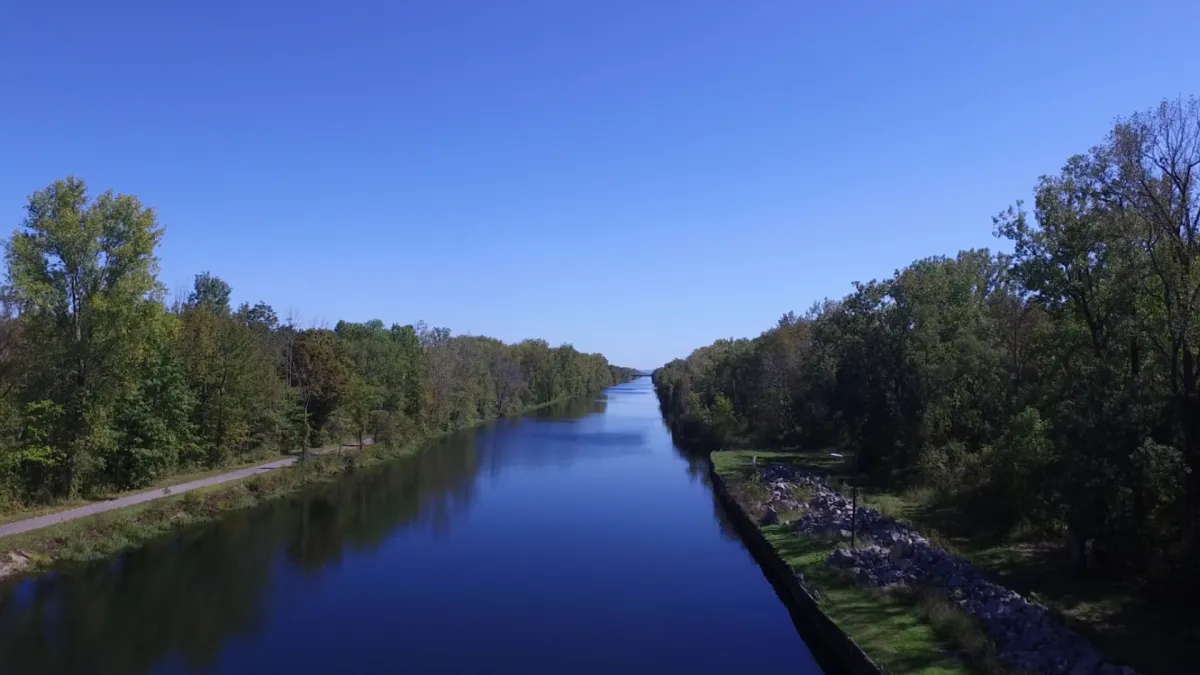 Photo: Erie Canal, via bento.cdn.pbs.org
Broadband infrastructure in rural America today operates on a logic that would be familiar to any Kansas wheat farmer of 1875. A company extends service to an underserved county, accepts public subsidies and tax incentives to do so, and then finds itself in an enviable negotiating position when franchise agreements come up for renewal. The county cannot easily undo the dependency it has built. The provider knows this. The rate hearings proceed accordingly.
Why the Towns Kept Bidding Anyway
The more interesting historical question is not why the railroads extracted perpetual concessions — that behavior requires no explanation. The question is why communities continued to compete for infrastructure on terms that history had already demonstrated were unfavorable.
The answer is not ignorance. By the 1880s, the pattern was widely documented in agricultural newspapers, in congressional testimony, and in the lived experience of anyone who had watched a neighboring town's fortunes collapse when a line was rerouted. Communities knew what they were entering into. They bid anyway, because the alternative — remaining unconnected while competitors modernized — felt more dangerous than the dependency they were accepting.
This is the calculation that has driven infrastructure politics from the Roman road system to the interstate highway debates to the current competition among American cities to attract fiber networks. The risk of exclusion consistently feels more immediate than the risk of capture. The town that wins the railroad feels it has secured its future. The renegotiation comes later, when the civic memory of the original struggle has faded and the current generation simply experiences the terms as the natural order of things.
The Routes Were Never Yours
Ellsworth, Kansas, eventually lost its position as a cattle shipping center when the railroads extended further south and the economics of the trade shifted. The land donations, the bond measures, the years of subsidy — none of it purchased permanence. It purchased a season of prosperity and a structural dependency that lasted longer than the prosperity did.
This is not a story about betrayal. The railroad companies did not promise permanence; the towns inferred it from their own need. Human beings have always been prone to mistaking access for ownership, particularly when the access transforms their circumstances so thoroughly that imagining its absence becomes psychologically intolerable.
Every generation encounters some technology that promises to solve the problem of geographic disadvantage, and every generation negotiates its arrival from a position of such urgency that the long-term terms receive insufficient scrutiny. The infrastructure arrives. The towns reorganize themselves around it. The second negotiation begins.
The old routes, it turns out, were always owned by someone else. The communities merely lived along them.